
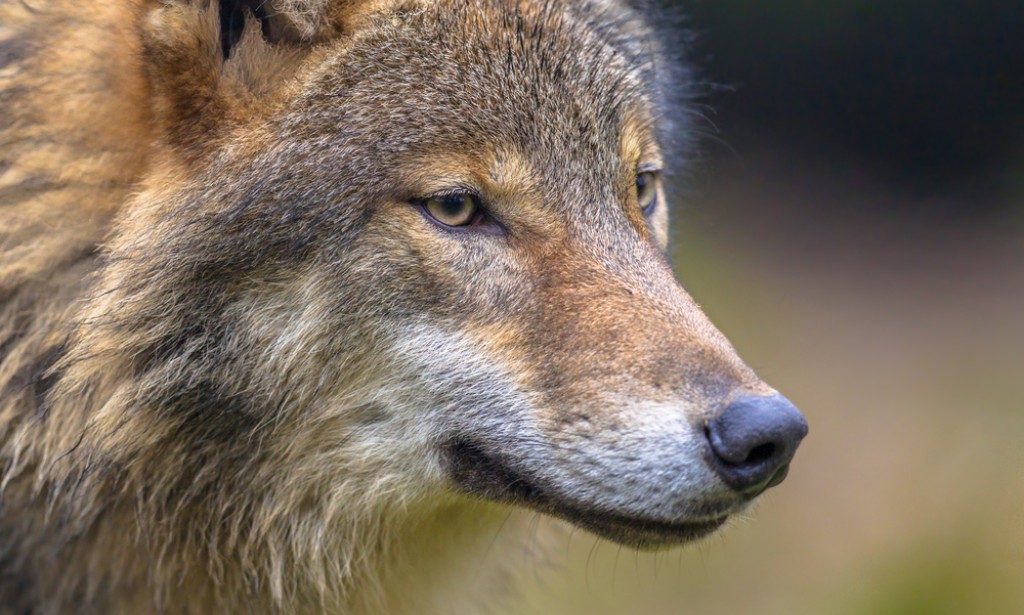
A quarter of the officially registered wolves in the Netherlands have disappeared, raising concerns among experts that poaching may be a significant factor. According to a report by Volkskrant, out of the 91 wolves whose DNA was recorded between 2015 and 2023, 23 have been confirmed dead, while 22 have vanished without a trace.
A Troubling Trend
The confirmed deaths of these wolves paint a grim picture. Among them, two were shot by poachers, while 15 were killed by vehicles in the Netherlands, and two others died in traffic accidents in Germany and Belgium. However, the disappearance of 22 wolves remains unexplained.
European wolf experts have noted that no further DNA traces of these missing wolves have been detected in the Netherlands or surrounding countries. This has led to growing concerns that illegal hunting may be playing a larger role in their fate than previously acknowledged.
Areas of Concern
Certain regions in the Netherlands have become focal points in this mystery. Maurice La Haye, a biologist with the Dutch mammal association Zoogdiervereniging, has expressed concerns over parts of the Veluwe heathlands, where wolf monitoring is prohibited. This lack of oversight makes it easier for illegal activities to go undetected.
Hoge Veluwe National Park has also been at the center of the debate. The park’s management has been openly opposed to the presence of wolves, further complicating conservation efforts.
Meanwhile, ecologist Glenn Lelieveld pointed out that several wolves in Zeeland have disappeared under suspicious circumstances. Additionally, three wolves that migrated from Belgium to the Netherlands have also gone missing.
A Polarized Debate
The issue of wolves in the Netherlands has become highly contentious. Many of the people contacted by Volkskrant were hesitant to discuss the disappearances or potential poaching. This reluctance highlights how polarized the debate has become, with strong opinions both for and against the wolves' presence in the country.
While conservationists argue that wolves play a crucial role in maintaining ecological balance, opponents claim they pose a threat to livestock and local wildlife. This divide has made it challenging to address the issue objectively.
What’s Next?
The disappearance of these wolves raises serious questions about enforcement and protection measures. If poaching is indeed a factor, stronger regulations and monitoring will be necessary to safeguard the growing wolf population in the Netherlands.
For now, the mystery remains unsolved, leaving conservationists, biologists, and animal rights advocates searching for answers—and solutions—to protect these apex predators from vanishing completely.
What do you think about the return of wolves to the Netherlands? Should they be protected more aggressively, or do you see them as a threat to local ecosystems? Share your thoughts in the comments!

You must be logged in to post a comment.